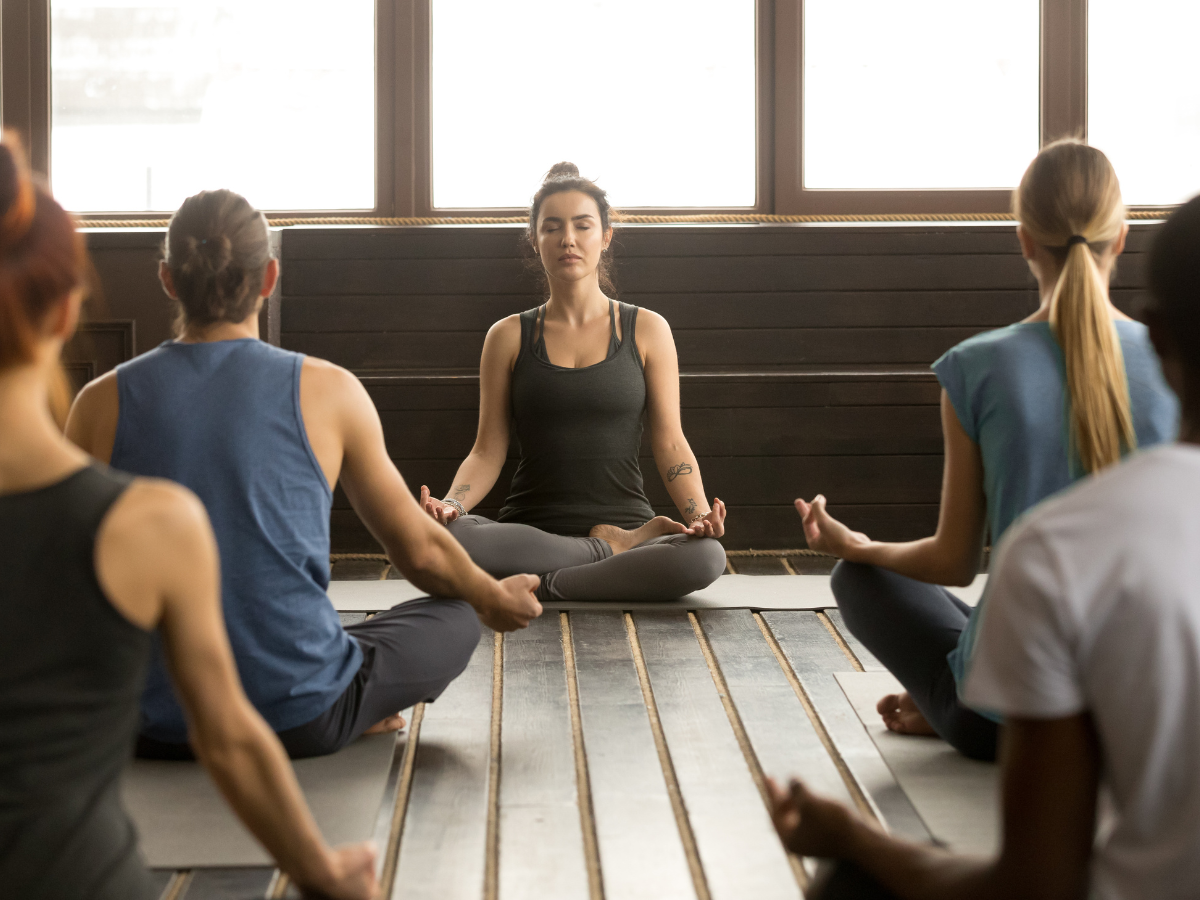
Interest in meditation classes sydney has grown steadily as more people recognise the importance of mental wellbeing alongside physical health. In an environment shaped by constant information flow, work pressures, and digital engagement, meditation offers a structured way to develop focus, emotional regulation, and self-awareness. When taught in a guided and consistent format, meditation becomes a practical skill rather than an abstract concept.
Understanding the Role of Meditation Classes
Meditation is often associated with silence or stillness, yet learning how to meditate effectively usually requires guidance. Meditation classes provide structure, instruction, and continuity that are difficult to achieve through self-directed practice alone.
Guidance for Beginners and Experienced Practitioners
Meditation classes are typically designed to support a wide range of experience levels. Beginners benefit from clear explanations of posture, breathing, and attention techniques, while experienced practitioners gain value from regular structure and deeper refinement of practice. Guided sessions help reduce confusion and establish confidence, particularly for those new to mindfulness practices.
Creating a Dedicated Space for Practice
A consistent environment plays a significant role in meditation. Studio-based classes offer a quiet, intentional setting that minimises external distractions. This separation from daily routines allows participants to focus inward and develop awareness without interruption, which is essential for building concentration and mental clarity.
Benefits of Structured Meditation Practice
Regular meditation practice supports both psychological and physiological wellbeing. While experiences vary between individuals, structured meditation classes help participants develop sustainable habits over time.
Supporting Focus and Emotional Regulation
Meditation techniques often emphasise observing thoughts and sensations without judgment. Over time, this practice can support improved emotional regulation and greater awareness of habitual reactions. Many participants report enhanced focus and an increased ability to remain present during daily activities.
Managing Stress in Urban Environments
In cities such as Sydney, stress is a common concern linked to workload, commuting, and constant connectivity. Meditation classes provide tools that help regulate the nervous system through breath awareness and intentional stillness. These skills can be applied beyond the meditation space, supporting stress management in everyday life.
Consistency as a Key Element of Progress
One of the most important factors in meditation is consistency. Attending regular meditation classes helps establish routine, which is essential for long-term benefits.
Developing a Sustainable Practice
Unlike occasional mindfulness exercises, regular meditation practice encourages gradual development. Classes provide accountability and rhythm, making it easier for participants to maintain engagement even when motivation fluctuates. Over time, meditation often becomes a stable component of a broader wellbeing routine.
Integrating Mindfulness Beyond the Studio
Meditation classes frequently include discussion or reflection on how mindfulness applies to daily experiences. Learning to bring awareness into communication, work, and rest allows meditation to extend beyond formal practice sessions. This integration supports long-term personal development rather than short-term relief.
Choosing Meditation Classes in Sydney
People exploring meditation classes sydney often consider factors such as teaching approach, class format, and environment. Studios that prioritise clarity, accessibility, and consistency tend to support sustainable engagement. Rather than focusing on quick outcomes, these classes emphasise gradual progress and self-observation.
Many practitioners in Sydney engage with meditation through dedicated wellbeing spaces such as Hum Studio, where structured guidance and mindful practice form the foundation of regular classes.
Meditation as a Long-Term Wellbeing Practice
Meditation is not a performance-based activity. Its benefits emerge through patience, repetition, and openness to experience. Classes provide a supportive framework where individuals can explore meditation without pressure or expectation.
Over time, meditation practice may support greater emotional balance, improved concentration, and increased awareness of thought patterns. These outcomes are subtle yet meaningful, contributing to overall resilience and clarity in daily life.
Conclusion
Meditation classes offer a practical pathway for individuals seeking mental balance and sustainable wellbeing in a demanding urban context. Through guided instruction, consistent practice, and supportive environments, meditation becomes an accessible skill rather than an abstract ideal. As interest in mindfulness continues to grow, structured meditation classes remain a relevant and valuable resource for long-term mental health and self-awareness.